
The Truth About “reef Safe” Sunscreen: What Every Ocean Lover Should Know
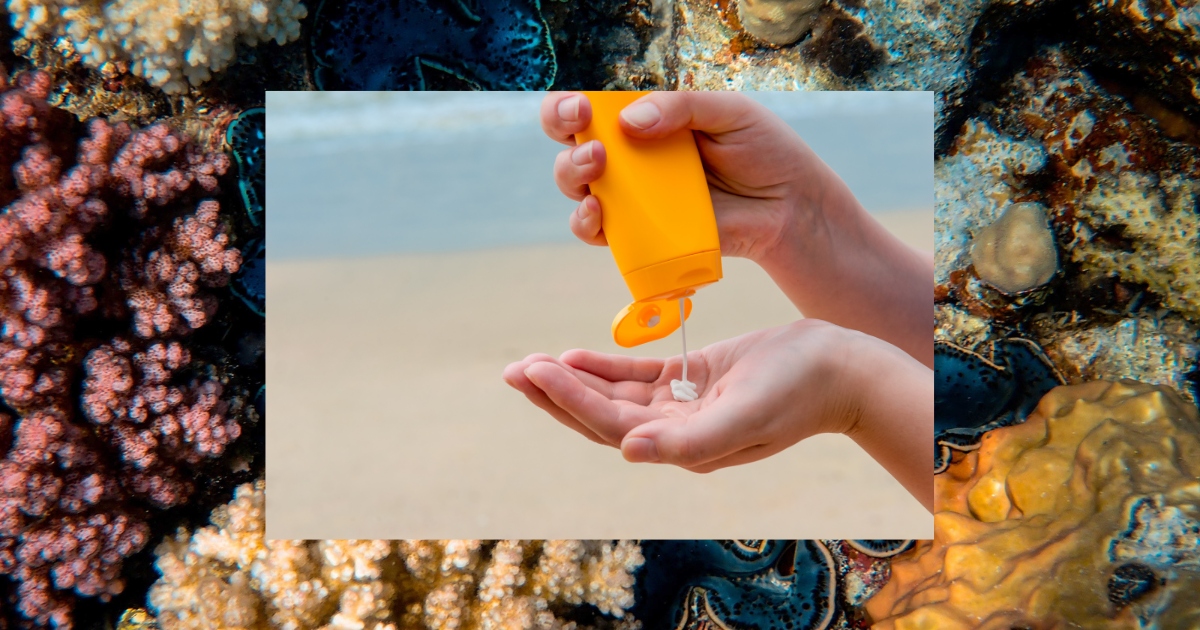
If you’ve ever shopped for sunscreen before a beach vacation or snorkeling trip, you’ve probably seen products labeled “reef safe” or “reef friendly.” These labels can provide peace of mind, suggesting you’re making a choice that’s better for the ocean while still protecting your skin.
The reality, however, is more complicated.
Despite the popularity of these claims, there is no universally recognized governing body or certification program that regulates the use of the term “reef safe.” In other words, a sunscreen manufacturer can place “reef safe” on its packaging without meeting a single global standard.
That doesn’t mean all sunscreens are the same—it simply means consumers should look beyond the marketing and pay closer attention to the ingredients.
Why the Label Can Be Misleading
Unlike labels such as “USDA Organic” or “Energy Star,” there is no official certification that defines what qualifies as a reef-safe sunscreen.
Different companies may use different criteria when making the claim. One brand may remove a single ingredient while another eliminates several. Some products marketed as reef safe may still contain ingredients that scientists continue to study for their potential effects on marine ecosystems.
Because of this, the phrase has become more of a marketing term than a scientific standard.
For visitors who want to make environmentally responsible choices, reading the ingredient list is often far more informative than reading the front of the bottle.
Why Ingredients Matter
When swimmers, snorkelers, and divers enter the water, a portion of their sunscreen naturally washes off. Millions of people enjoy the ocean every year, and collectively that means significant amounts of sunscreen enter marine environments.
Researchers continue to study how various sunscreen ingredients interact with coral reefs and other marine organisms. While the science is still evolving, several chemical UV filters have raised environmental concerns, particularly in sensitive coral reef ecosystems.
When choosing sunscreen, many marine scientists and conservation organizations recommend avoiding products that contain ingredients such as:
-
Oxybenzone (Benzophenone-3)
-
Octinoxate
-
Octocrylene
-
Homosalate
These ingredients have been the focus of numerous environmental studies and have led several destinations with coral reefs to restrict or prohibit their sale.
Mineral Sunscreens Are Often the Better Choice
If you’re looking for a sunscreen that’s both effective and generally considered a better environmental option, mineral sunscreens are an excellent choice.
Instead of relying on chemical UV filters, mineral sunscreens use zinc oxide and titanium dioxide to create a physical barrier that reflects and scatters the sun’s rays.
These ingredients are widely recommended by dermatologists because they provide broad-spectrum protection against both UVA and UVB radiation. They’re also commonly recommended by marine conservation organizations as a preferred option for people spending time in or around coral reef ecosystems.
No More “White Face”
One reason some people avoid zinc-based sunscreens is simple—they remember the thick, bright white lotions of years past.
Fortunately, sunscreen technology has come a long way.
Today, many mineral sunscreens are available in tinted formulations that blend naturally with a wide range of skin tones. These products provide the same excellent protection from zinc oxide and titanium dioxide without leaving behind the obvious white coating that many people associate with older mineral sunscreens.
For many visitors, tinted mineral sunscreen offers the best of both worlds: effective sun protection and a more natural appearance.
Even Better: Wear UPF Clothing
While choosing the right sunscreen matters, one of the easiest ways to reduce your environmental impact is to use less sunscreen overall.
Wearing UPF-rated shirts, hats, and other sun-protective clothing significantly reduces the amount of exposed skin that requires sunscreen in the first place. This not only provides reliable protection throughout the day but also means fewer sunscreen ingredients enter the water.
For long days boating, kayaking, paddleboarding, or snorkeling in Biscayne National Park, many naturalists and boat captains rely primarily on lightweight UPF clothing and apply mineral sunscreen only to exposed areas like the face, hands, neck, and feet.
Helping Protect Biscayne National Park
Biscayne National Park protects one of the most diverse marine ecosystems in the United States, including coral reefs, seagrass beds, mangrove forests, and countless species of fish and wildlife. Every visitor plays a role in helping preserve these remarkable resources.
At Biscayne National Park Institute, we encourage visitors to choose environmentally responsible sun protection whenever possible. While you’ll often hear the term “reef safe” used in conversation, we also encourage looking beyond the label. Reading the ingredient list and choosing products made with zinc oxide or titanium dioxide is one of the most informed decisions you can make.
Combined with UPF clothing and other smart sun habits, these choices help protect both your skin and the incredible marine environment you’re there to enjoy.
After all, protecting the reefs begins long before you enter the water. By making thoughtful choices about the products we use, each of us can help ensure that future generations will have the opportunity to experience the vibrant coral reefs and crystal-clear waters that make Biscayne National Park so extraordinary.