
Breakthroughs in Coral Restoration Are Giving the World’s Reefs New Hope
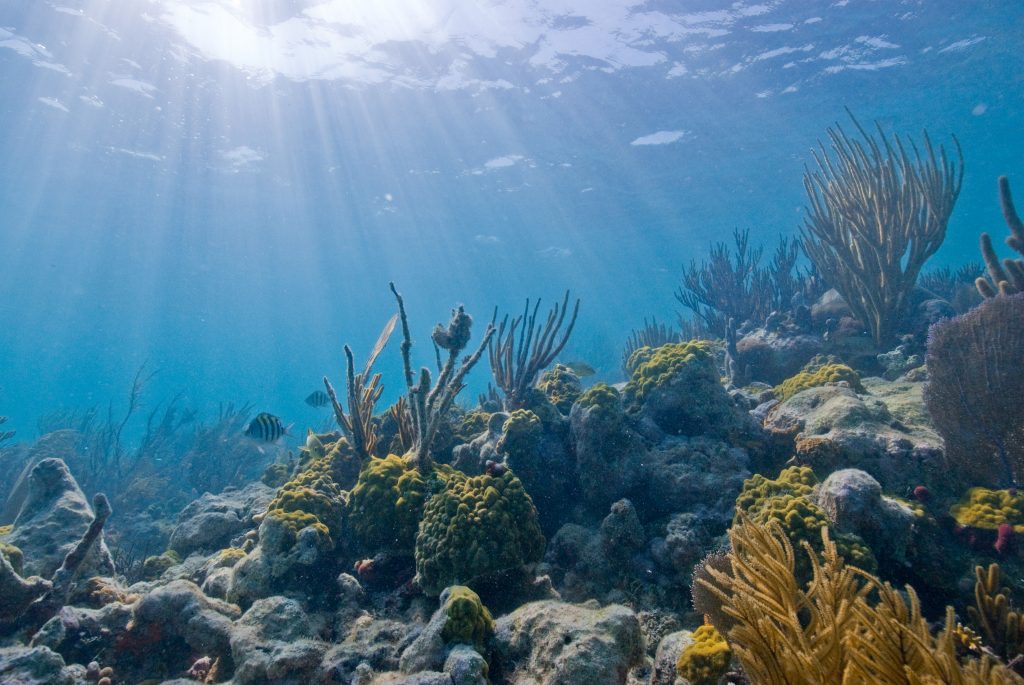
For decades, coral reefs have faced mounting challenges. Rising ocean temperatures, coral bleaching, disease outbreaks, pollution, and stronger storms have all contributed to the decline of these remarkable ecosystems. Around the world, scientists have watched reefs disappear at an alarming rate, raising concerns about the future of marine life and the coastal communities that depend on healthy oceans.
Yet amid these challenges, there is reason for optimism.
A new generation of coral restoration techniques is changing the conversation from simply documenting reef decline to actively rebuilding these underwater ecosystems. While restoration alone cannot solve every problem affecting coral reefs, recent scientific breakthroughs are proving that with innovation, collaboration, and continued conservation, reefs can recover.
Why Coral Reefs Matter
Often called the “rainforests of the sea,” coral reefs occupy less than one percent of the ocean floor but support nearly 25 percent of all marine species. They provide habitat for thousands of fish, invertebrates, and other marine organisms while protecting coastlines from erosion and storm surge.
Healthy reefs also support recreational fishing, tourism, and local economies. Here in South Florida, coral reefs are an essential part of our natural heritage and help make places like Biscayne National Park one of the most biologically diverse marine environments in the United States.
Coral Nurseries: Growing Reefs Like Gardens
One of the most successful restoration methods is surprisingly simple: grow healthy corals before returning them to the reef.
Scientists establish underwater or land-based coral nurseries where small coral fragments are carefully cultivated under ideal conditions. Because many corals can reproduce through fragmentation, a single healthy colony can produce dozens—or even hundreds—of new colonies over time.
Once the corals reach an appropriate size, trained restoration teams attach them to damaged reef structures using specialized marine-safe materials. Over time, these transplanted corals continue to grow, creating new habitat for fish and other marine life.
This approach has already restored thousands of corals throughout Florida and the Caribbean.
Breeding More Resilient Corals
One of the most exciting areas of coral research focuses on identifying corals that naturally survive environmental stress.
Following major bleaching events, scientists have discovered that some coral colonies withstand high temperatures better than neighboring colonies. Researchers are now studying these naturally resilient corals and using selective breeding techniques to increase the number of offspring capable of surviving warmer ocean conditions.
This process doesn’t involve genetic modification. Instead, scientists work with naturally occurring traits already found within healthy coral populations, helping future generations become more resilient to changing environmental conditions.
Fighting Coral Disease
In recent years, Florida’s Coral Reef has been devastated by Stony Coral Tissue Loss Disease, a fast-moving disease affecting dozens of coral species.
Researchers responded with unprecedented collaboration, developing antibiotic treatment methods that have successfully slowed or stopped the disease in individual coral colonies. Divers carefully apply specialized treatment pastes directly onto infected areas, giving many corals a chance to recover.
While researchers continue searching for long-term solutions, these treatments have already saved thousands of corals that might otherwise have been lost.
Assisted Spawning and Coral Reproduction
Corals naturally reproduce by releasing eggs and sperm into the water during synchronized spawning events, often occurring only a few nights each year.
Scientists now collect these reproductive cells, fertilize them under controlled conditions, and raise young corals until they are large enough to survive on natural reefs. This process increases survival rates dramatically while also preserving valuable genetic diversity.
Some restoration programs are even developing ceramic reef structures and specially designed settlement surfaces that encourage young corals to attach and grow more successfully.
Hope Beneath the Surface
Coral restoration is about far more than replacing damaged reefs. It represents a growing partnership between scientists, conservation organizations, volunteers, government agencies, and local communities working toward a common goal.
The work is already producing encouraging results. Restored reef areas are attracting fish, increasing biodiversity, and demonstrating that damaged ecosystems can recover when given the opportunity.
What This Means for Biscayne National Park
Biscayne National Park protects part of the only living coral reef system in the continental United States. Although these reefs face many of the same challenges seen throughout Florida, they are also benefiting from decades of research, restoration, and conservation efforts taking place across the region.
Visitors exploring the park with Biscayne National Park Institute often have the opportunity to snorkel above living coral reefs while learning from naturalists about the ongoing work to protect these fragile ecosystems. Understanding both the challenges and the remarkable progress being made helps visitors appreciate that coral conservation is not a story of inevitable loss—it is increasingly becoming one of resilience and recovery.
Every healthy coral colony restored today represents more than a scientific achievement. It becomes habitat for marine life, protection for our coastlines, and hope for future generations who deserve the chance to experience vibrant coral reefs firsthand.
While much work remains, today’s breakthroughs demonstrate that coral reefs are not beyond saving. With continued research, responsible stewardship, and public support, these underwater ecosystems can continue to inspire wonder for generations to come.