
Why Upf Clothing Is One of the Best Ways to Protect Yourself—and Our Oceans
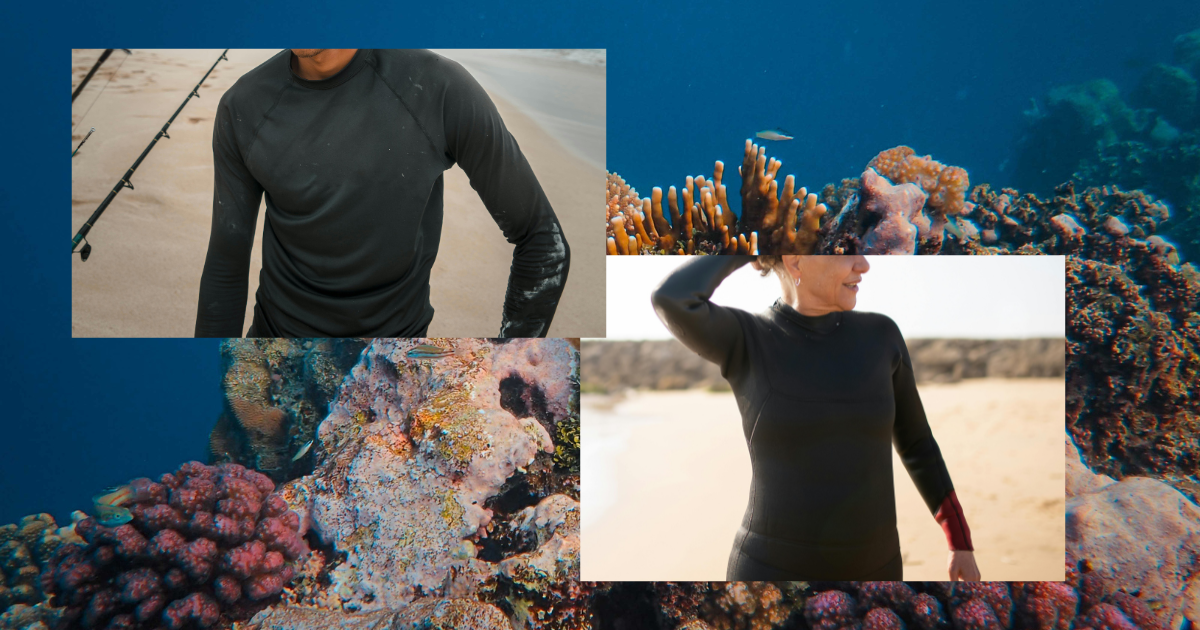
A day spent boating, kayaking, snorkeling, or exploring the outdoors is one of life’s greatest pleasures. Whether you’re cruising across Biscayne Bay or snorkeling over a vibrant coral reef, spending time in the sun is part of the adventure. But protecting your skin from harmful ultraviolet (UV) rays is just as important as enjoying the experience.
For years, sunscreen has been the go-to solution for sun protection. While sunscreen certainly has an important role—especially on areas of exposed skin—many outdoor enthusiasts are discovering that UPF (Ultraviolet Protection Factor) clothing offers an even better first line of defense. Not only does it provide reliable protection for the wearer, but it can also help reduce the amount of sunscreen entering our oceans and sensitive marine ecosystems.
What Is UPF Clothing?
UPF clothing is specially designed to block ultraviolet radiation from reaching your skin. Similar to how SPF measures the effectiveness of sunscreen, UPF measures how much UV radiation can penetrate a fabric.
For example, a shirt with a UPF 50 rating blocks approximately 98% of the sun’s harmful UVA and UVB rays, allowing only about 1/50th of the UV radiation to reach your skin.
Unlike a regular cotton T-shirt, which may lose much of its protective ability when wet or stretched, quality UPF clothing is engineered to maintain its protection during outdoor activities like swimming, paddling, fishing, or boating.
Consistent Protection Without the Guesswork
One of the biggest advantages of UPF clothing is that it works continuously.
Sunscreen must be applied correctly, often more generously than most people realize. It also needs to be reapplied every two hours—or even more frequently after swimming, sweating, or towel drying. Miss a spot or forget to reapply, and your protection decreases significantly.
UPF clothing doesn’t wash off in the water, wear away throughout the day, or leave gaps because of uneven application. Once you’re dressed, your protection remains consistent as long as the clothing stays on.
For people spending several hours on the water, this makes UPF clothing one of the simplest and most effective ways to reduce sun exposure.
Better for Marine Ecosystems
Choosing UPF clothing can also benefit the environment.
Every time swimmers, snorkelers, and boaters enter the water wearing sunscreen, a portion of those chemicals washes off into the surrounding environment. While scientists continue to study the long-term impacts of various sunscreen ingredients, some chemical UV filters have been shown to contribute to stress on coral reefs and other marine organisms under certain conditions.
This has led several destinations around the world to restrict or ban sunscreens containing ingredients such as oxybenzone and octinoxate in an effort to better protect fragile coral reef ecosystems.
Wearing UPF clothing reduces the amount of sunscreen needed in the first place. Instead of applying lotion over your entire body, sunscreen can be reserved for smaller exposed areas such as your face, neck, hands, and feet. This means fewer chemicals entering the water while still maintaining excellent sun protection.
Comfort on the Water
Modern UPF clothing is designed specifically for active outdoor recreation.
Many shirts are lightweight, breathable, moisture-wicking, and quick-drying, making them surprisingly comfortable even on hot summer days. Long sleeves can actually help you stay cooler by shielding your skin from direct sunlight while allowing sweat to evaporate efficiently.
Many anglers, paddlers, boat captains, and marine professionals now wear lightweight UPF shirts every day because they provide comfort along with dependable protection during long hours outdoors.
The Best Strategy Is Both
Although UPF clothing offers outstanding protection, it isn’t meant to replace sunscreen entirely.
The most effective sun protection combines multiple strategies:
-
Wear UPF-rated clothing whenever possible.
-
Apply a broad-spectrum, reef-conscious sunscreen to exposed skin.
-
Wear a wide-brimmed hat and polarized sunglasses.
-
Seek shade when practical, especially during the middle of the day.
Together, these simple habits can significantly reduce the risk of sunburn and long-term skin damage while minimizing environmental impacts.
Protecting Yourself While Protecting Biscayne National Park
With more than 95 percent of Biscayne National Park covered by water, visitors spend much of their day exposed to intense Florida sunshine. Whether snorkeling over coral reefs, paddling through mangrove forests, or enjoying a boat tour across Biscayne Bay, proper sun protection is essential.
Many experienced naturalists, captains, and outdoor professionals choose UPF clothing as their primary form of sun protection because it works hour after hour without needing constant attention. By covering more skin with protective clothing, they use less sunscreen while helping reduce the amount of chemicals introduced into the park’s delicate marine environment.
Every small choice we make outdoors has an impact. Choosing UPF clothing is one of those rare decisions that benefits both people and nature. It keeps us comfortable, reduces the risk of sun damage, and helps preserve the crystal-clear waters, coral reefs, and marine life that make Biscayne National Park such an extraordinary place to explore.
When it comes to spending a day on the water, protecting yourself and protecting the environment don’t have to be separate goals. With UPF clothing, they’re one and the same.