The Hidden Value of Sargassum: Nature’s Floating Nursery
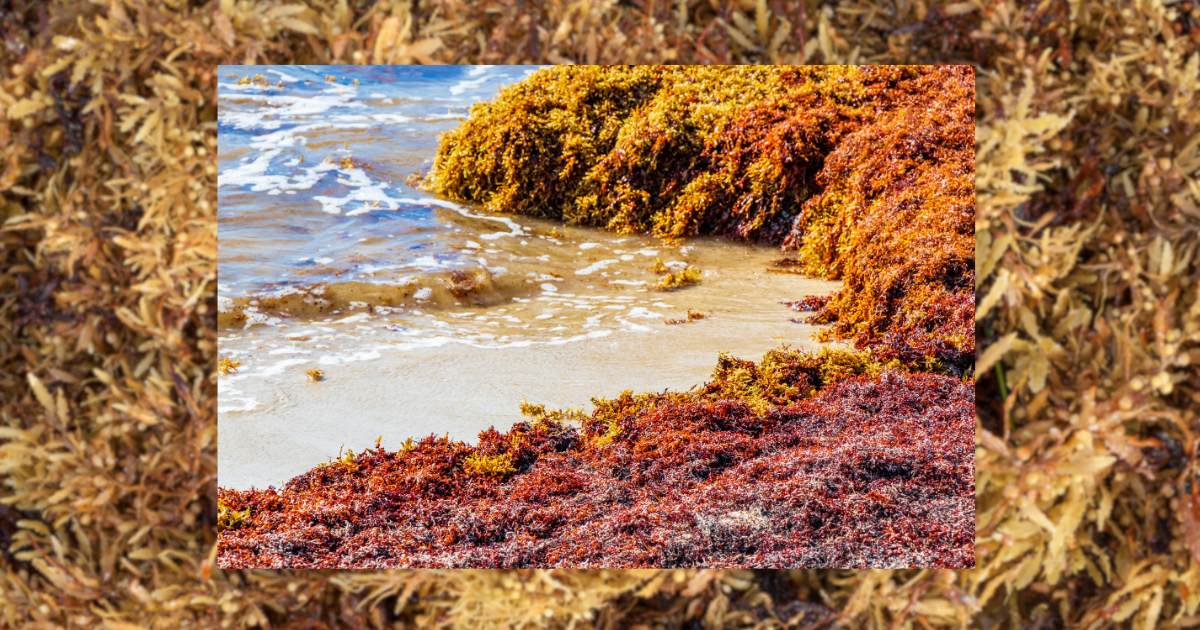
If you’ve followed the news recently, you’ve probably heard about sargassum. Headlines often show massive amounts of this brown seaweed washing onto beaches, creating unpleasant odors and making shorelines less inviting for visitors. While these impacts are real, they tell only part of the story.
Out on the open ocean, sargassum is one of the Atlantic’s most important ecosystems. Long before it reaches the beach, this floating seaweed provides food, shelter, and protection for hundreds of marine species. In fact, what many people see as a nuisance is actually a vital habitat that supports the incredible biodiversity found in places like Biscayne National Park.
More Than Floating Seaweed
Unlike most seaweeds, sargassum isn’t attached to the ocean floor. Small, air-filled bladders keep it floating on the surface, allowing it to drift with ocean currents for months at a time.
These floating mats act like tiny islands in the middle of the ocean. In an environment with few places to hide, sargassum creates shelter where marine life can thrive. Scientists have identified more than 300 species that use sargassum during some part of their lives, making it one of the most productive habitats in the Atlantic Ocean.
A Home for Tiny Ocean Creatures
At first glance, a patch of sargassum may not seem very exciting. But look closer, and you’ll discover an entire community living among its tangled branches.
Tiny shrimp, crabs, juvenile fish, snails, worms, and countless other invertebrates call sargassum home. Many have evolved remarkable camouflage, blending almost perfectly with the seaweed’s golden-brown color to avoid predators.
For many species, sargassum serves as a nursery. Young fish spend their earliest months hiding among the floating vegetation before eventually moving to coral reefs, mangrove forests, or seagrass beds. Even several commercially important fish species depend on sargassum during their juvenile stages.
Without these floating nurseries, many marine populations would struggle to survive.
The “Lost Years” of Sea Turtles
One of sargassum’s most important roles is providing habitat for young sea turtles.
After hatching on beaches, baby turtles swim offshore where they spend several years drifting among floating sargassum during a life stage often referred to as their “lost years.” The seaweed offers protection from predators while providing food and a place to rest as the turtles grow.
For endangered sea turtles, healthy sargassum habitat can mean the difference between survival and becoming an easy meal for larger predators.
Understanding the Headlines
If sargassum is so valuable, why has it received so much negative attention?
The answer is simple: location.
Healthy sargassum floating offshore is incredibly beneficial. Problems arise when unusually large amounts wash onto beaches, where they begin to decompose. This can create unpleasant odors, affect tourism, and require costly cleanup efforts for coastal communities.
Scientists continue to study why larger blooms have become more common in recent years. Changes in ocean temperatures, shifting currents, and increased nutrients entering the ocean are all believed to play a role. While these larger beach accumulations deserve attention, they shouldn’t overshadow the important ecological role sargassum plays offshore.
Discovering Sargassum in Biscayne National Park
Because more than 95 percent of Biscayne National Park is underwater, visitors have the unique opportunity to experience sargassum where it belongs—in the ocean.
Whether you’re exploring the park by boat or snorkeling its crystal-clear waters, you may encounter patches of floating sargassum drifting across Biscayne Bay. To many people, it looks like nothing more than seaweed. To a trained naturalist, it’s a floating neighborhood filled with life.
On trips with Biscayne National Park Institute, naturalists often point out the tiny creatures hiding among the seaweed, helping visitors discover juvenile fish, colorful crabs, shrimp, and other fascinating animals they might otherwise overlook. It’s a perfect example of how education transforms an ordinary sightseeing trip into a meaningful experience.
Looking Beyond the Beach
It’s easy to judge sargassum by what we see when it washes ashore. But out on the open ocean, it serves as one of nature’s most important floating ecosystems.
It protects baby sea turtles, provides nursery habitat for young fish, supports hundreds of marine species, and helps sustain the incredible biodiversity that makes South Florida’s waters so special.
The next time you encounter sargassum, remember that beneath its tangled branches lies an entire community of life. By looking beyond the headlines, we gain a greater appreciation for the complex ecosystems that make places like Biscayne National Park worth protecting—and worth exploring.