The History of Biscayne National Park: a Story of Water, People, and Preservation
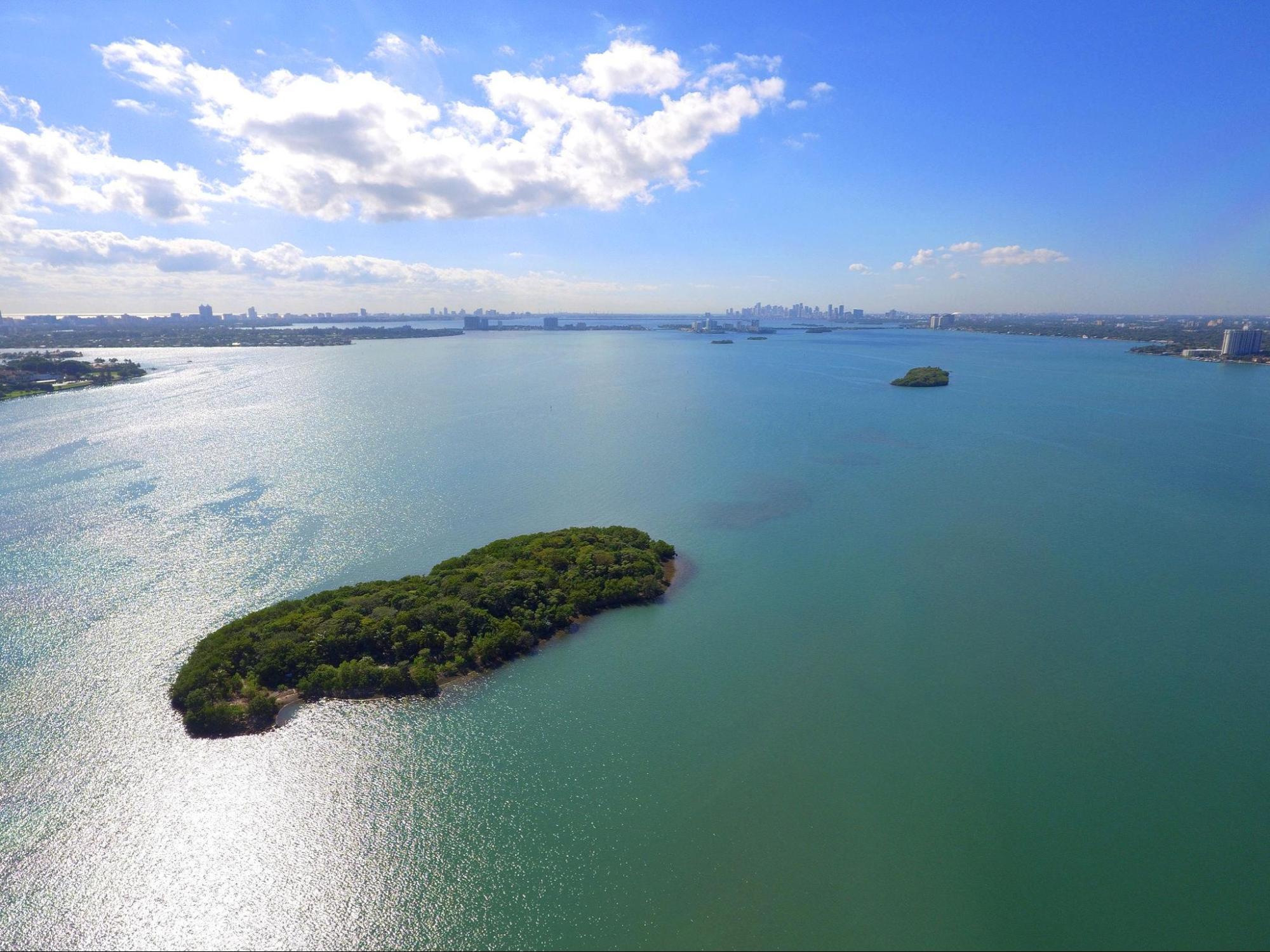
Located just south of Miami, Biscayne National Park protects one of the most remarkable marine environments in the United States. Unlike most national parks, Biscayne is 95 percent water, preserving coral reefs, mangrove forests, seagrass meadows, and small islands known as keys. But the park’s story extends far beyond its natural beauty. The history of Biscayne National Park is a layered narrative of Indigenous cultures, early settlers, maritime traditions, and a powerful grassroots conservation movement that ultimately led to its protection.
Indigenous Roots in the Biscayne Bay Region
Long before modern Miami existed, the waters and islands of Biscayne Bay were home to Indigenous peoples. The Tequesta, who inhabited the region for thousands of years, lived along the shores of Biscayne Bay and relied heavily on marine resources. The shallow waters, mangrove shorelines, and coral reefs provided fish, shellfish, and other essential resources that sustained their communities.
Archaeological evidence found on several islands within the park suggests that the Tequesta used these keys for fishing camps and seasonal gathering sites. Shell middens—ancient piles of shells left behind after meals—are still discovered today and provide insight into their relationship with the marine ecosystem.
The arrival of European explorers in the 1500s began to disrupt Indigenous life in South Florida. Disease, colonization, and forced displacement eventually led to the disappearance of the Tequesta culture from the region by the late eighteenth century.
Early Exploration and Settlement
In the nineteenth century, the Biscayne Bay area began attracting settlers, farmers, and entrepreneurs. The shallow waters and protected islands offered opportunities for small agricultural communities and maritime industries.
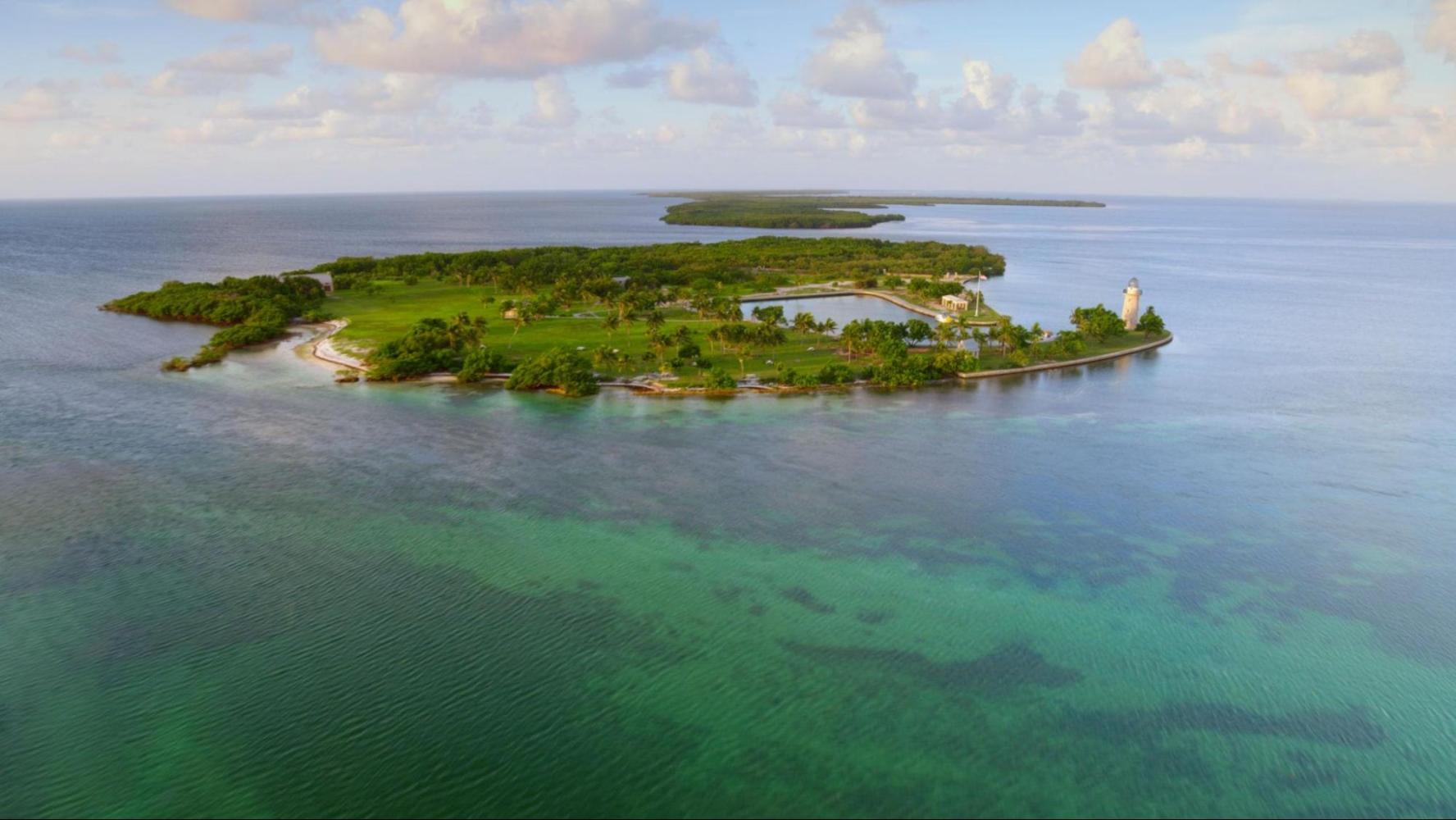
One of the most recognizable landmarks in the park today is the lighthouse on Boca Chita Key. Built in the 1930s by industrialist Mark C. Honeywell, the island became a gathering place for boaters visiting Biscayne Bay. Honeywell developed the key as a private retreat, constructing the iconic lighthouse and harbor that still welcome visitors today.
Nearby Elliott Key tells another story of early life in Biscayne Bay. In the early 1900s the island was home to one of the largest communities in the Florida Keys outside of Key West. Families living there farmed pineapples, limes, and tomatoes, shipping their crops to markets in Miami. Small schools, churches, and homes created a tight-knit island community.
Despite these settlements, much of Biscayne Bay remained relatively undeveloped through the early twentieth century.
Threats to the Bay
By the 1950s and 1960s, rapid development in South Florida began threatening the fragile ecosystems of Biscayne Bay. Plans emerged to dredge channels, construct industrial ports, and even build massive developments on the keys themselves. One proposal suggested turning parts of Elliott Key into a large city connected by bridges and highways.
Local residents, scientists, and conservationists recognized that such development would permanently damage the bay’s coral reefs, mangrove forests, and fisheries. These natural systems supported commercial fishing, recreational boating, and the ecological health of the region.
The movement to protect Biscayne Bay began gaining momentum as environmental awareness increased across the United States during the 1960s.
Creation of a National Park
In 1968, Congress established Biscayne National Monument to protect the northern portion of the bay and surrounding islands. This designation represented a critical step toward preserving the region’s marine ecosystems.
Over the next decade, support grew for expanding protections across a larger area of Biscayne Bay. Scientists emphasized the ecological importance of the coral reef tract and seagrass beds, while local advocates highlighted the cultural history and recreational value of the bay.
In 1980, the protected area was officially redesignated as Biscayne National Park, greatly expanding its boundaries to include offshore coral reefs and additional islands. The park ultimately preserved more than 170,000 acres of marine and coastal habitat.
A Living Park of Water and Stories
Today, Biscayne National Park protects one of the most diverse marine environments in the National Park System. Visitors explore the park by boat, kayak, and snorkel, discovering vibrant coral reefs, expansive seagrass beds, and historic islands.
The park is also home to the Biscayne National Park Institute, the park’s official nonprofit partner that provides educational programs and guided experiences on the water. Through interpretive tours, snorkeling trips, and paddling adventures, visitors learn about the park’s ecosystems and cultural history while experiencing Biscayne Bay firsthand.
From the legacy of the Tequesta people to the farming communities of Elliott Key and the conservation movement that protected the bay, Biscayne National Park represents a remarkable intersection of nature and human history.
Just beyond the skyline of Miami lies a national park where the stories are written in coral reefs, mangrove roots, and turquoise water—a reminder that even in one of the nation’s fastest-growing urban regions, extraordinary wild places can still be preserved for future generations.